Vinyl Record Donation Pickup in Denver, CO
Vinyl Record Donation Pickup in Denver, CO: Schedule a Free Pickup Today
The boxes have been sitting in the corner of your basement for two years. Maybe longer. You kept telling yourself you'd do something with them — and today, finally, you searched for vinyl record donation pickup in Denver Colorado. That search means you're ready. The question now isn't whether to donate. It's who to trust with a collection that actually meant something to you. The right pickup service handles your records carefully, coordinates everything around your schedule, and gets them to people who will genuinely use them. That's exactly what we do — and with over a decade of donation pickups completed across Denver, we know how to treat a collection right. Denver homeowners from Capitol Hill to Stapleton have handed us their collections knowing they'll land somewhere good — not a dumpster, not a dusty shelf. You made the decision. Let us handle everything else.
How to Know Your Vinyl Records Are Ready to Donate
Not every record needs to go. But some collections — sitting in a Denver basement or garage since the '70s or '80s — have records that deserve a second life. Knowing which ones are ready to donate saves you time and helps the next owner actually enjoy them.
Start with the most basic question: do you still play these records? If a stack has been sitting untouched for five or more years, that's a strong sign it's ready to move on. Denver's dry climate is actually good for vinyl storage, but dust, temperature swings, and improper stacking can still cause damage over time.
Next, do a quick visual check on each record. Hold it up to a light source and look across the surface at an angle. You're looking for these common issues:
- Deep scratches that cross multiple grooves
- Visible mold or white haze on the surface
- Warping that makes the record bowl or wave
- Cracked or broken edges
Light surface marks or scuffs? Often still cleanable and playable. Deep gouges, cracks, or severe warping are a different story — those records generally aren't playable. Donating unplayable vinyl wastes everyone's time, so set those aside separately. A quick wipe with a dry microfiber cloth can help you see the surface more clearly before you decide.
Check the sleeves and jackets too. A record without its original sleeve is still donable — many collectors and music lovers don't mind. But a jacket that's completely destroyed, water-damaged, or covered in mold should get flagged. Some donation pickup services in Denver, including those serving neighborhoods like Capitol Hill and Washington Park, will still accept records with worn jackets as long as the vinyl itself is in fair shape.
Think about the genres and formats you have. Standard 12-inch LPs, 7-inch 45s, and even 10-inch records are all commonly accepted. Formats like 8-track tapes or cassettes are different — those aren't vinyl and are typically handled separately. Not sure if something counts as a vinyl record? Simple test: does it have visible grooves on a flat black (or colored) disc? If yes, it qualifies.
Quantity matters too. You don't need a full collection to schedule a vinyl record donation pickup in Denver. Some households have just a single box of 20 or 30 records. Others have hundreds spread across multiple rooms. Either way, grouping them together before the pickup makes the process faster. Use milk crates, cardboard boxes, or plastic bins — just avoid stacking records flat in tall piles, which can cause warping even during a short move.
If you inherited records from a family member or found them in a storage unit in a neighborhood like Globeville or Elyria-Swansea, don't assume they're too old or too obscure to donate. Records from the 1950s through the 1990s cover an enormous range of genres — jazz, classical, rock, soul, country, and more. Local buyers, music schools, community radio stations, and independent record shops across Denver actively seek donated collections from all eras.
One last thing to check: do any of your records have significant collector value? A quick search by artist name and album title on a site like Discogs (a well-known vinyl marketplace) can tell you if something is worth selling rather than donating. Most everyday records have modest resale value. But a rare pressing or a sealed original can be worth real money — similar to how a well-maintained property like a carefully preserved home holds unexpected value that only surfaces when someone takes the time to look. It only takes a few minutes to check, and it protects you from giving away something valuable by accident.
Once you've sorted your records into "donate" and "set aside" piles, you're ready to schedule a pickup. Not sure whether your collection qualifies or what condition is acceptable? We're happy to answer that before you book — just give us a call. The cleaner your sort, the faster the process goes on pickup day.

Why Scheduling a Pickup Makes Donating Easier in Denver Colorado
Donating vinyl records sounds simple until you actually try to do it. You pull out a milk crate, realize you have six more in the basement, and suddenly you're staring at 200 records with no clear plan. Scheduling a vinyl record donation pickup removes that wall completely. Someone comes to you, loads the collection, and you're done.
Denver Colorado has no shortage of donation options. Most of them, though, require you to haul everything yourself. That means loading your car, driving across town, unloading at a drop-off counter, and hoping the staff accepts what you brought. For a small box of clothes, that's fine. For a heavy record collection, it's a real obstacle.
Vinyl records aren't light. A standard LP weighs about 180 grams — multiply that by 100 records and you're moving roughly 40 pounds before you add the crates or boxes. If you live in a second-floor apartment in Capitol Hill or a townhome in the Highlands, getting those records down to a car is a genuine physical challenge. A scheduled pickup means none of that lifting falls on you.
There's also the time factor. Denver traffic during morning and evening hours can turn a 15-minute drive into 40 minutes. Scheduling a pickup at your address cuts that round trip out entirely. You don't burn a Saturday afternoon waiting in a drop-off line. You set a time window, leave the records accessible, and let the pickup happen while you go about your day.
Pickups also protect the records themselves. Hauling a collection solo means corners get bumped, sleeves get bent, records slip out of their jackets. A scheduled pickup handled by someone experienced with vinyl means the collection gets moved carefully — and that matters if you want the records to actually reach a new listener in playable condition rather than arriving cracked or warped.
Here's something most people don't think about: donation centers in Denver Colorado sometimes have limits on what they'll accept at the door. Walk-in donations can get turned away if the center is full, if the item doesn't meet current intake guidelines, or if staff can't process a large collection on the spot. A scheduled pickup coordinates all of that in advance — so you're never showing up and getting rejected after hauling everything down three flights of stairs. You're not showing up and getting rejected after hauling everything down three flights of stairs.
For collectors in neighborhoods like Washington Park or Stapleton, where storage space is tighter and parking is limited, scheduling a pickup is genuinely the most practical option. No truck needed. No friend with a truck needed. Just a confirmed time and a clear path to where the records are stored. Ready to get this handled? We're a call away.
Scheduled pickups also give you a chance to organize before someone arrives. You can pull out any records you want to keep, separate albums that might need special handling, and have everything in one spot. That preparation takes 20 minutes at home instead of happening in a parking lot while someone waits behind you in a drop-off line.
The bottom line is simple. A pickup removes every friction point between you and a completed donation. The records leave your space. They go somewhere they'll be used. You didn't have to rent a vehicle, ask for help, or rearrange your schedule around a donation center's hours. In a busy city like Denver, that convenience is the difference between a donation that actually happens and a collection that sits in the basement for another two years.
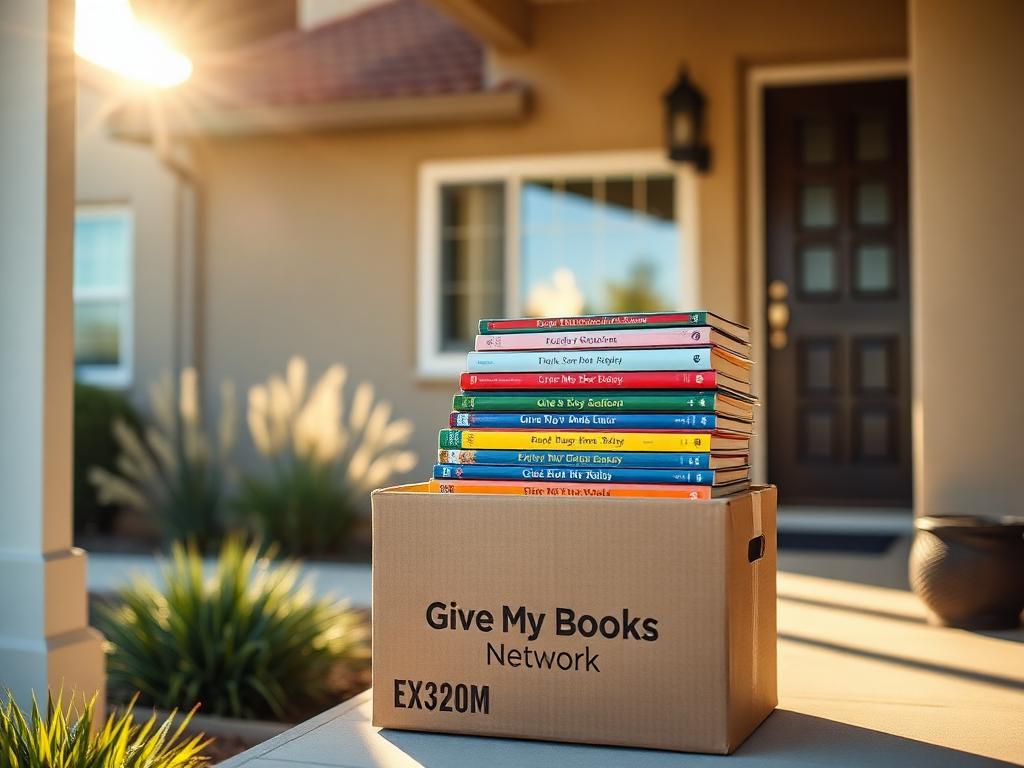
How to Prepare Your Record Collection Before the Team Arrives
A little prep work on your end makes the vinyl record donation pickup go faster and smoother. You don't need to do much. But a few simple steps help the team work efficiently and get your records to the right place here in Denver Colorado.
Start by pulling your records together in one spot. A living room, basement, or garage all work well. If your collection is spread across multiple rooms, gather everything before the team shows up — this saves time and means nothing gets left behind by accident.
Sort out what you actually want to donate. Walk through your collection and set aside anything you want to keep. Be honest with yourself. Records that haven't been played in years are good candidates. If you're in a neighborhood like Washington Park or Wash Park West, many older homes hold collections that have been sitting in closets for decades — now is the time to let them go.
Check for obvious damage as you sort. Records with deep scratches, cracked labels, or warped shapes may not be accepted by every organization. Pull those aside and ask the team when they arrive. You don't need to be an expert — our crew has handled thousands of collections across Denver and can assess condition on the spot. Just flag anything that looks rough and let the pickup crew make the call.
Keep the sleeves and jackets with the records whenever possible. Original album artwork and inner sleeves add real value to a donated collection. Even beat-up covers help protect the vinyl during transport. If a sleeve is missing, a plain paper sleeve works fine. Avoid putting records loose in a cardboard box without any protection.
Box up your records in sturdy containers. Standard banker boxes or liquor store boxes work well because they're sized right for LPs. Pack records vertically, not flat — stacking records flat puts pressure on the bottom ones and can cause warping over time. Each box should hold no more than about 30 to 40 LPs so it stays liftable. If you have 12-inch singles or 45s, keep those in separate boxes or bags so they don't shift around.
Label your boxes if you have different formats. A simple piece of tape that says "LPs," "45s," or "78s" helps the team load and sort faster. Got 78 RPM records? Mention that when you schedule the pickup. Shellac 78s are fragile and need to be handled differently than modern vinyl. The pickup team will want to know ahead of time.
Clear a path to where the boxes are stored. If your records are in a basement or a back bedroom in a Capitol Hill bungalow, make sure the hallway and stairs are clear. Move furniture if needed. The team should be able to walk in, load up, and walk out without squeezing past obstacles — this protects your home and speeds up the whole job.
If you have a large collection — say, more than 200 records — give an estimate when you book. That helps the team bring the right number of people and the right size vehicle. A collection of 500 LPs weighs several hundred pounds. Knowing the rough size ahead of time means no second trips and no delays.
You don't need to clean every record before pickup. A quick wipe with a dry cloth to remove dust is helpful but not required. The receiving organization will check condition on their end. Your job is just to get the records together, protected, and ready to carry out.
A few minutes of prep on your side means the pickup runs on time and your records get where they need to go without damage. That's good for you, good for the team, and good for whoever ends up with your collection next.
Your records are sorted. Your path is clear. Now it's just one call away. Schedule your vinyl record donation pickup in Denver Colorado today — we work around your availability, come to your door, and handle everything from there. Call us at [phone number] or book your pickup window online at [scheduling link]. We serve neighborhoods across Denver and can typically confirm a same-week appointment. The collection that's been waiting in your basement? It's about to find its next home.
How Vinyl Record Donation Pickup Works in Denver
Schedule Online
Book your free vinyl record donation pickup in Denver in just 2 minutes.
Set Your Location
Tell us where to pick up - we come to your door.
We Pick Up
Our local Pick-Up Partner arrives on your scheduled date.
Books Get New Life
Your donations support readers and literacy programs.
Why Choose GMBN for Vinyl Record Donation Pickup
100% Free Service
No fees, no hidden costs - just free pickup.
Door-to-Door Convenience
We come to you. No trips to donation centers.
Flexible Scheduling
Pick a date that works for your schedule.
Eco-Friendly
Keep books out of landfills and in circulation.
Support Literacy
Your books help readers across the community.
All Media Accepted
Books, textbooks, CDs, DVDs, and more.
Frequently Asked Questions
Schedule Your Vinyl Record Donation Pickup in Denver
Ready to give your books a second life? Schedule your free pickup today.
New to this? Our guide to where to donate books explains which books nobody can use any more, what happens to the rest, and how Denver, CO pickups actually work.