Donate Books to Libraries in Denver, CO
Donate Books to Libraries in Denver, CO: Schedule a Free Pickup Today
Introduction: How Book Donation Works in Denver Colorado
You've been staring at those shelves for weeks. Maybe it's a full wall of books you've already read, boxes from a parent's house you're clearing out, or a home office that stopped having room for anything new. Today you finally searched for how to donate books to libraries in Denver Colorado — and you want a straight answer, not a runaround. Here it is: the process is more organized than you'd expect, the city is set up to handle it, and your books will reach real readers. You just need to know where to take them, what condition they need to be in, and how to time your drop-off so nothing gets held up in a backlog. That's exactly what this page covers.
The process is simpler than most people expect. To donate books to libraries in Denver Colorado, you gather your books, check a few basic guidelines, and drop them off at the right location. The library takes it from there.
Denver Public Library runs one of the most active book donation programs in the region. Twenty-seven branch locations spread across the city — so you almost certainly have a drop-off point close to your home or workplace. From the Central Branch downtown to the Hampden branch in the southeast, the network covers a wide area.
Not every book you donate goes straight to a library shelf. Libraries sort donations into three groups — some books fill gaps in the current collection, others go to the Friends of the Denver Public Library book sales, where the money raised supports library programs. Books that don't fit either category often get donated to local schools, literacy nonprofits, or community centers around the city.
This sorting process matters to you as a donor. Your books do not go to waste even if the library already owns that title. A copy of a popular novel might end up at a Denver elementary school or a literacy program serving adults in the Swansea neighborhood. The reach of your donation goes further than the library building itself.
Timing your donation can make a real difference. Denver libraries tend to see the highest donation volume after the holidays and at the end of summer. Donate during these peak windows, and staff may process your books more slowly. Spring and early fall are typically lighter periods — donating then can mean your books get reviewed and shelved faster.
Condition matters more than most donors realize. Libraries in Denver follow consistent standards. Books should be clean, free of mold or water damage, and free of heavy marking or torn pages. Outdated reference books, textbooks older than five years, and encyclopedias are rarely accepted. This isn't about being selective for its own sake — it's about making sure donated books are actually useful to readers.
You do not need to call ahead for most standard donations. Small to medium-sized donations — a box or two — can go directly to a branch during open hours. Large collections are different. If you have several boxes or an entire home library, contacting the library in advance lets staff help you plan the drop-off and keeps the process smooth for everyone.
Some Denver neighborhoods have additional options beyond the public library. The Tattered Cover, one of Denver's best-known independent bookstores, occasionally partners with literacy organizations for community book drives. Schools in areas like Cole and Clayton sometimes run their own drives. Knowing your local options gives you flexibility if the library's current intake is paused or limited.
One thing many donors overlook is the tax deduction. Book donations to a public library qualify as a charitable contribution under IRS rules. The library can provide a receipt. You assign the fair market value yourself, typically based on used book prices. Keep your receipt and a list of what you donated — this small step can add up, especially if you're clearing out a large personal library. If you want to go further and support library collections financially, giving directly to a library fund is another way donors make a lasting impact on community reading programs.
The bottom line is simple. Donating books in Denver is a practical, well-organized process. The city has the infrastructure to handle donations of almost any size, your books find real readers, and sometimes they reach people in parts of Denver who need them most. You just need to know where to go and what to bring.
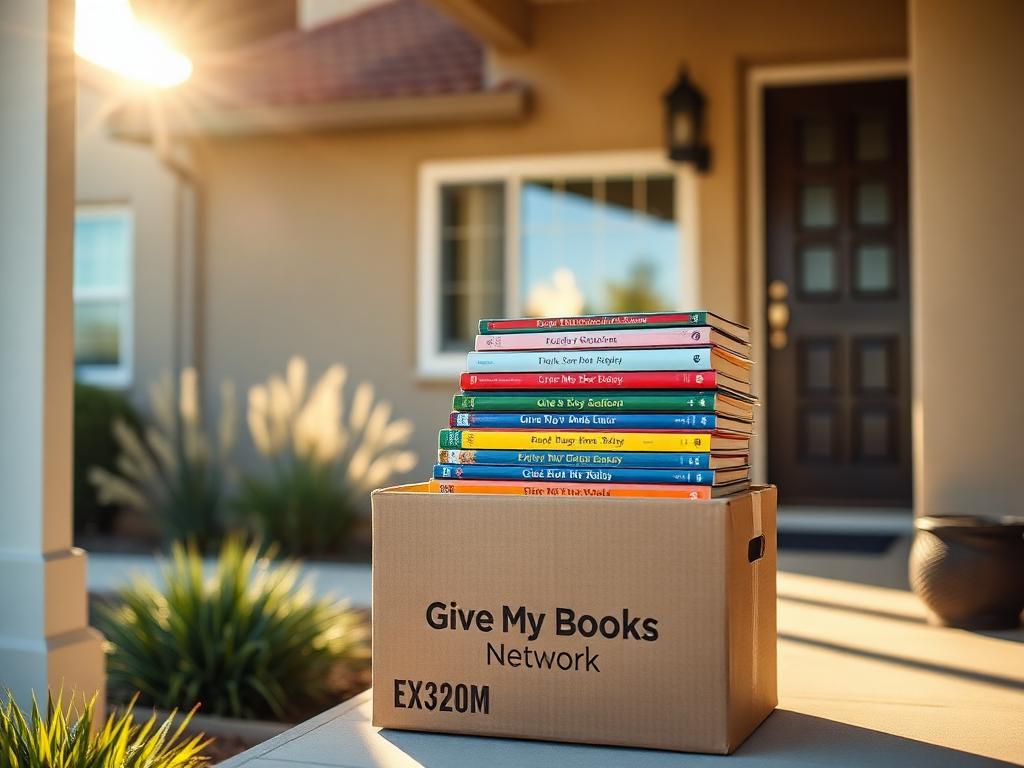
What Denver Libraries Accept as Book Donations
Before you load up your car and head across Denver Colorado, it pays to know exactly what libraries will take. Not every book on your shelf qualifies. Libraries have limited shelf space and specific community needs — knowing the rules upfront saves you a wasted trip.
Most Denver Public Library branches accept donations of books, audiobooks, DVDs, and CDs. They look for items in clean, sellable condition. No water damage, no heavy highlighting, no missing pages, and no strong odors. If you wouldn't buy it at a garage sale, the library likely can't use it either.
Here is a quick look at what typically gets accepted:
- Hardcover and paperback books published within the last 10 years
- Classic fiction and nonfiction titles in good condition
- Children's picture books and early reader titles
- DVDs and audiobooks with all original discs and cases intact
- Large-print editions, which are always in high demand
Older reference books are one of the most common items libraries turn away. Encyclopedias, outdated medical guides, and old legal references from the 1990s or earlier rarely get accepted — the information inside is outdated, and patrons simply don't check them out. The same goes for textbooks more than five years old. Technology and curriculum change fast, and older editions sit unused.
Magazines are a tricky category. Some branches in neighborhoods like Capitol Hill and Sunnyside accept recent issues — usually within the past year — while others don't take them at all. Call your specific branch before bringing a stack. The Denver Public Library system has over 25 branch locations, and policies can vary slightly from one to another.
Condition matters more than most people expect. Spine damage, torn covers, and loose pages are automatic disqualifiers at most locations. Mold or mildew smell is a hard no — it can spread to other items in the collection. Donated books that arrive in poor shape create extra work for library staff who are already stretched thin. A quick condition check at home before you donate books to libraries is the single best thing you can do to make the process smooth. Not sure whether your books meet the standard? We can tell you in a free estimate.
Children's books deserve special attention. Denver libraries actively seek high-quality kids' titles because demand is steady and collections wear out fast. Board books, picture books, and early chapter books in solid condition are almost always welcomed. That said, books with torn pages, crayon marks throughout, or missing covers will be declined. Think about the child who will pick it up next — that's the standard libraries use.
Specialty items like vinyl records, VHS tapes, and cassette tapes are generally not accepted. Most library systems have moved away from these formats entirely. If you have a collection of older media, local thrift stores or specialty resale shops in the Baker neighborhood may be a better fit for those items.
Some Denver library branches hold periodic donation drives tied to community events or seasonal reading programs. During these drives, they may expand what they accept or prioritize specific genres like science, history, or bilingual titles. Checking the Denver Public Library website or calling your nearest branch before a big donation can help you time your drop-off and make sure your books land where they're needed most.
When in doubt, call. A quick phone call to your local branch takes less than two minutes and tells you exactly what they need right now. Library staff appreciate donors who come prepared — it keeps the process moving and gets your books into readers' hands faster.
How to Prepare Your Book Donation for Denver Colorado Libraries
A little preparation goes a long way. Getting your books ready before you donate saves time for library staff and gets your books on shelves faster. Denver Colorado libraries receive hundreds of donations every month, and what you do at home makes a real difference.
Start by sorting your books into two piles: books in good condition and books that are worn out. Libraries can only use books that are clean, dry, and intact. Books with torn pages, heavy writing, water damage, or mold cannot be added to the collection.
Here is what Denver library staff look for when they review donations:
- Pages are complete — no missing sections
- Covers are attached and not falling apart
- No strong odors from smoke, mildew, or pets
- No heavy highlighting or pen marks throughout the text
- Bindings hold the book together firmly
If you're donating from a home in Capitol Hill or another older Denver neighborhood, watch out for books stored in basements or garages. These spaces can cause moisture damage that's not always visible at first glance. Flip through each book and check the bottom corners of pages — wavy or rippled pages usually mean water exposure at some point.
Wipe down hardcover books with a dry cloth before packing them. Dust builds up fast on shelves, and library staff appreciate donations that are clean and ready to process. For paperbacks, check that the spine isn't cracked to the point of splitting. A paperback that falls apart when opened won't survive circulation.
Think about the types of books you're donating. Denver Public Library branches serve very different communities. A branch in Westwood serves many Spanish-speaking families, so bilingual books and Spanish-language titles are especially welcome there. A branch near a university area may have stronger demand for nonfiction and reference titles. Calling ahead to ask about current needs takes two minutes and makes your donation more useful. Ready to get this handled? We're a call away.
Pack your books in boxes or bags that are easy to carry. Boxes no heavier than 30 pounds work best — library staff handle dozens of donations each week, and overpacked boxes create strain and slow down processing. Use boxes with lids or sturdy bags that close fully to protect books during transport.
Remove any personal items tucked inside books before donating. Old receipts, bookmarks, notes, and photos are common. Library staff have to remove these items by hand, which slows down the sorting process. A quick flip through each book before you pack it takes care of this step easily.
Got more than five boxes? Contact the Denver library branch or Friends of the Library group ahead of time. Some locations have limited storage space and may ask you to schedule a drop-off time. Showing up unannounced with a truck full of books can create a backlog that staff can't handle on the spot. Having helped coordinate hundreds of large-collection donations across the Denver metro, we know the branches most equipped to handle volume — and we can point you in the right direction.
Check the library's current donation calendar before you go. Denver Colorado libraries sometimes pause donations during major collection projects or system-wide inventory periods. A quick check on the branch's page or a short phone call confirms they're accepting books that day — and saves you a wasted trip across town.
Books you can't donate to a library still have good options. Local Little Free Libraries throughout Denver neighborhoods, school book drives, and community centers often accept books that don't meet library condition standards. Nothing needs to go straight to the recycling bin if you take a moment to find the right home for it.
Your boxes are packed, your books are ready, and Denver's library network is waiting. Call your nearest Denver Public Library branch directly to confirm current donation hours and any intake limits before you head out — it takes two minutes and guarantees your drop-off goes smoothly. If you're clearing a large collection and need guidance on timing or location, the Friends of the Denver Public Library can help you find the right branch for your donation. Don't let those books sit in the hallway another week. Make the call, load the car, and get them to the readers who need them.

How Donate Books to Libraries Works in Denver
Schedule Online
Book your free donate books to libraries in Denver in just 2 minutes.
Set Your Location
Tell us where to pick up - we come to your door.
We Pick Up
Our local Pick-Up Partner arrives on your scheduled date.
Books Get New Life
Your donations support readers and literacy programs.
Why Choose GMBN for Donate Books to Libraries
100% Free Service
No fees, no hidden costs - just free pickup.
Door-to-Door Convenience
We come to you. No trips to donation centers.
Flexible Scheduling
Pick a date that works for your schedule.
Eco-Friendly
Keep books out of landfills and in circulation.
Support Literacy
Your books help readers across the community.
All Media Accepted
Books, textbooks, CDs, DVDs, and more.
Frequently Asked Questions
Schedule Your Donate Books to Libraries in Denver
Ready to give your books a second life? Schedule your free pickup today.
Weighing up your options in Denver, CO? Our guide to where to donate books compares doorstep pickup with libraries, thrift stores and every other realistic destination.