Book Recycling Service in Denver, CO
Book Recycling Service in Denver, CO: Schedule a Free Pickup Today
The boxes have been sitting in the corner of your basement for months. Maybe longer. Books from a move you never fully unpacked, an estate you helped clear out, a collection that outgrew every shelf you own. At some point you typed "Book recycling service in Denver Colorado" into your phone — not because you want to throw them away, but because you want to do this right. That's exactly where we come in. We sort, we haul, we route every book to the best possible destination — donation, resale, or paper recycling. No guesswork on your end. No multiple trips across the city. Just one call that clears the clutter and keeps Denver a little greener. Here's everything you need to know about how book recycling works, what we accept, and why this is the right call for your books.
What Is Book Recycling and How Does It Work in Denver?
Book recycling in Denver Colorado means giving used books a second life — either through donation, resale, or material recycling. Instead of tossing old books in the trash, you drop them off or schedule a pickup. Books are then sorted by condition. Readable ones go to schools, libraries, shelters, or resale shops. Books too worn to read get broken down — covers separated from pages — and sent to paper recycling facilities.
Here is how the process works, step by step:
- Sort your books by condition. Check for mold, water damage, or missing pages. Books with these problems cannot be donated but can still be recycled as paper.
- Choose a drop-off or pickup option. Denver has several drop-off points including library branches, thrift stores, and dedicated book recycling bins. Some services come to you.
- Remove non-paper materials if asked. Spiral bindings, binder clips, and plastic covers may need to come off before drop-off. Check with your recycling provider first.
- Confirm what types are accepted. Textbooks, paperbacks, hardcovers, and children's books are usually welcome. Encyclopedias and magazines have more limited options.
- Drop off or schedule a collection. Bring books to the designated location or arrange a pickup for large quantities.
Denver residents generate a substantial amount of paper waste each year. According to the Colorado Department of Public Health and Environment, paper and cardboard make up a large share of what goes into landfills statewide. Recycling books — even ones too damaged to donate — keeps that paper out of the waste stream and puts it back into production as new paper products.
Not all books recycle the same way. Hardcover books need their covers removed before going into curbside bins because the binding materials are not paper. Paperbacks, on the other hand, can often go directly into paper recycling. If you have a large collection — say, after clearing out a home in the Wash Park neighborhood or downsizing after years in the same house — a bulk pickup or haul-away service saves you multiple trips.
The goal is simple. Keep usable books in circulation. Keep unusable ones out of landfills. Got five books or five hundred, there is a path to recycling them responsibly right here in Denver Colorado.
Not sure whether your books qualify for donation or need full recycling? We can sort that out for you in a free estimate — just reach out before your pickup. Visit our Denver book recycling services page to see all your options and schedule a pickup or drop-off today.
How to Know When Your Books Are Ready for Recycling
Not every book needs to go. But some have reached the end of their useful life. Knowing the difference saves you time and helps Denver Colorado stay a little greener.
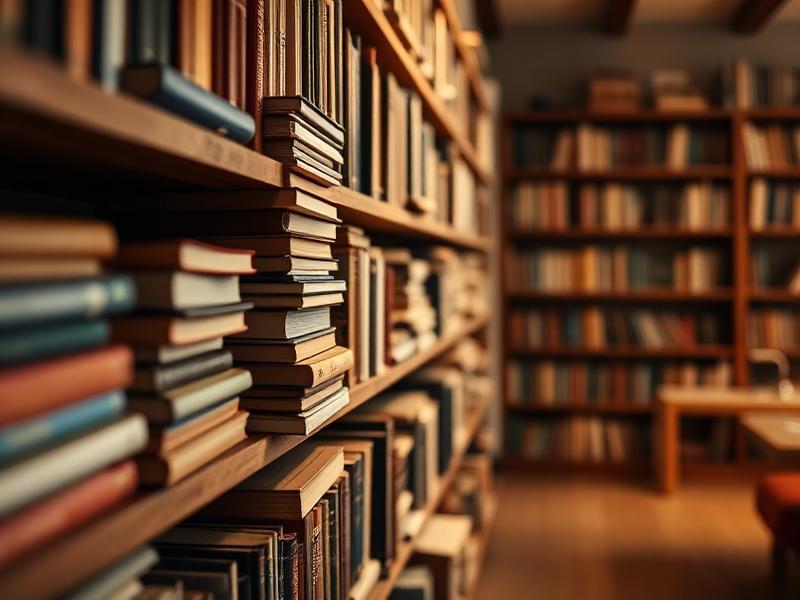
Start with physical condition. Open the book flat and look at the spine. Cracked binding, loose pages, a cover torn beyond repair — that book is likely done. Most donation centers in the Denver area will turn it away without a second look.
Water damage is a clear sign. Warped pages, wavy covers, and that musty smell that never quite goes away all point to moisture damage. Mold can grow inside a book even when it looks okay on the outside. If you see dark spots or smell something off, don't donate that book — it can spread mold to everything around it.
Check the pages themselves. Yellowing is normal in older books and doesn't automatically mean the book is trash. But brittle pages, edges crumbling when you turn them — that paper has broken down too far. This kind of deterioration is common in books printed before the 1980s on acidic paper. Researchers studying how books transition from valued objects to waste note that physical degradation is one of the clearest markers that a book has crossed that threshold. Those books are better suited for a book recycling service than a donation bin.
Think about the content too. Outdated textbooks, old phone directories, and reference books with expired information aren't useful to most readers. A 2003 medical guide or a 1998 travel book for a city that has changed completely — these are not items a library or thrift store in the Stapleton neighborhood will accept. Recycling them is the right call.
Encyclopedias are one of the most common items we see. Full sets take up enormous shelf space. Most libraries in Denver Colorado stopped taking encyclopedia sets years ago because demand dropped so sharply. If you have a full set sitting in your basement, recycling is almost always the best path forward.
Here is a quick checklist to help you decide:
- Spine is broken and pages are loose
- Water stains, warping, or mold present
- Pages are brittle or crumbling
- Content is outdated and no longer accurate
- Donation centers have already turned it away
- It is part of an encyclopedia or phone directory set
Two or more boxes checked? That book is a good candidate for recycling. No guilt needed. Recycling a book puts the paper back into the production cycle — new products instead of landfill space.
One more thing to watch for. Hardcover books with glossy inserts or laminated covers contain mixed plastics and coatings. Not every recycling program handles them the same way. When you bring books to a book recycling service, let them sort out what can go where. That is part of what we do — and with hundreds of Denver pickups completed, we've seen just about every combination of book condition and format there is.
In neighborhoods like Washington Park or Congress Park, we often help residents clear out decades of accumulated books during estate cleanouts and home sales. The pattern is always the same — some books are in great shape and go straight to donation. The rest come with us for proper recycling. Knowing which pile is which before we arrive makes the whole process faster for you.
When in doubt, set the book aside and bring it in. We can take a look and tell you quickly whether it belongs in the recycling stream or still has life left in it.
What Happens to Your Books After a Denver Colorado Pickup
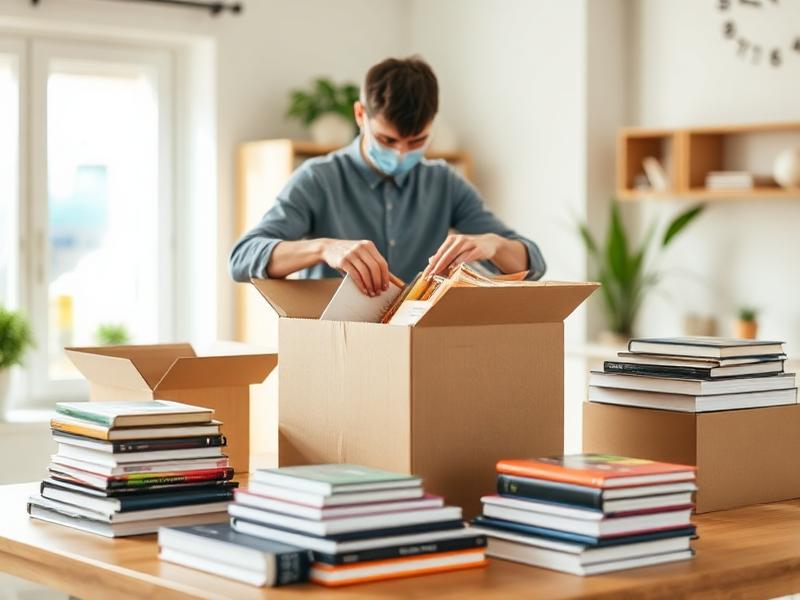
You dropped off a box of books or scheduled a pickup. Now you might wonder — where do they actually go? In Denver Colorado, books that get recycled follow a clear path. Most of them stay useful long after they leave your hands.
The first stop is sorting. Every book gets looked at individually. Condition, subject matter, and age all matter here. A gently used novel is handled very differently than a water-damaged textbook from the 1980s.
Books in good shape get routed to resale or donation channels first. Denver has a strong network of used bookstores, school donation programs, and community libraries. Neighborhoods like Capitol Hill and Five Points have active Little Free Libraries and community reading programs that accept donations regularly. Your paperback thriller or your kids' picture books could end up on a shelf in one of those spots within days.
Books that are too worn to resell but still intact often go to organizations that ship reading materials internationally. Several Denver-area nonprofits partner with programs that send books to underserved communities in Latin America and Africa. A book you no longer want can end up in the hands of a student thousands of miles away who has very few books at all.
What about books that are truly past their useful life? Moldy pages, missing covers, heavy water damage — these can't be resold or donated safely. Those go to a paper recycling facility. In Colorado, paper recycling is well-supported. The paper fiber from old books gets broken down and turned into new paper products. According to the American Forest and Paper Association, recycling one ton of paper saves roughly 17 trees and 7,000 gallons of water. Even a damaged book has real value at that stage.
Hardcover books require one extra step. The binding materials — glue, fabric, cardboard covers — often need to be separated from the paper pages before recycling. This is why hardcovers are sometimes processed differently than paperbacks. Most book recycling operations in Denver handle this separation before sending materials to the paper mill.
Encyclopedias and outdated reference sets are a common question. These large sets are rarely accepted by used bookstores. Demand is just too low. But the paper inside is still fully recyclable — same goes for old textbooks with outdated editions. The content may be stale, but the paper fiber is just as useful as any other book.
Some books find a third life through creative reuse. Art studios, schools, and makers in the Denver area sometimes request old books for projects — altered book art, bookbinding classes, or set design. It is a smaller channel, but it keeps books out of landfills in a creative way.
Very little actually ends up in a landfill when books are handled through a proper book recycling service. Each book gets evaluated and sent to the highest-value destination it qualifies for. Your donation does more than clear shelf space — it creates a real chain of use that stretches well beyond your front door.
If you have books you are unsure about — old cookbooks, religious texts, foreign language books, or damaged sets — bring them anyway. Let the sorting process work. You might be surprised how many find a second home somewhere in Denver or beyond.
Those boxes aren't going to move themselves — but we will. Schedule your book recycling pickup in Denver Colorado today and we'll handle the sorting, hauling, and responsible disposal from there. Call us at or book your pickup online in under two minutes. Tell us roughly how many books you have and where you're located. We'll confirm your appointment and show up ready to work. One call. Done.
How Book Recycling Service Works in Denver
Schedule Online
Book your free book recycling service in Denver in just 2 minutes.
Set Your Location
Tell us where to pick up - we come to your door.
We Pick Up
Our local Pick-Up Partner arrives on your scheduled date.
Books Get New Life
Your donations support readers and literacy programs.
Why Choose GMBN for Book Recycling Service
100% Free Service
No fees, no hidden costs - just free pickup.
Door-to-Door Convenience
We come to you. No trips to donation centers.
Flexible Scheduling
Pick a date that works for your schedule.
Eco-Friendly
Keep books out of landfills and in circulation.
Support Literacy
Your books help readers across the community.
All Media Accepted
Books, textbooks, CDs, DVDs, and more.
Frequently Asked Questions
Schedule Your Book Recycling Service in Denver
Ready to give your books a second life? Schedule your free pickup today.
New to this? Our guide to where to donate books explains which books nobody can use any more, what happens to the rest, and how Denver, CO pickups actually work.