Donate Books to Schools in Denver, CO
Donate Books to Schools in Denver, CO: Schedule a Free Pickup Today
You've been thinking about this for months — maybe longer. The boxes of books have been sitting in the corner of the spare room, and you finally searched for somewhere they could actually do some good. You want them in the hands of kids who need them, not collecting dust. When you donate books to schools in Denver Colorado, that's exactly what happens. The right books reach the right classrooms, and teachers who've been stretching every dollar finally get the shelf space they've been hoping for. We make that transfer simple. No sorting through drop-off policies, no driving across town, no wondering if your donation actually landed somewhere meaningful. You found this page because you're ready to act. Here's everything you need to know to do it right — and why calling us is the fastest way to get your books into a Denver classroom before the week is out.
Why Denver Colorado Schools Need Your Book Donations Right Now
Denver Colorado public schools serve over 90,000 students across the district. Many of those students go home without a single book to read. When you donate books to schools, you close a gap that classroom budgets simply cannot fill on their own.
Denver Public Schools allocates a set amount per student for instructional materials each year. That budget has to stretch across textbooks, workbooks, and digital tools. Classroom libraries — the shelves of books kids can browse and borrow freely — often get cut first. Teachers in neighborhoods like Montbello and Globeville regularly spend their own money just to keep a few dozen titles on their shelves.
The research is hard to ignore. Students who have access to books at home and in the classroom read more often and score higher on literacy assessments, according to the National Education Association. Yet the Annie E. Casey Foundation reports that roughly one in three Colorado children reads below grade level by the end of third grade. A well-stocked classroom library is one of the most direct tools a school has to change that number.
Book access is not equal across Denver neighborhoods. Schools in higher-income zip codes often have parent organizations that fund library refreshes every few years. Schools in lower-income areas — places like Swansea, Cole, and Sun Valley — depend almost entirely on donations and grants. The difference between a classroom with 200 titles and one with 20 titles shows up fast. You see it in how often students choose to read for fun. Choice drives reading. Reading drives everything else.
Summer is one of the most important times to think about this. Research from the RAND Corporation shows students can lose two to three months of reading progress over summer break. The "summer slide." It hits hardest in communities without easy library access. Denver school staff and community organizations work hard to get books into students' hands before school lets out in May and June. Your donation before the end of the school year can go directly into a summer reading bag that a child takes home.
Beyond reading scores, books shape how kids see the world. Denver schools serve students who speak over 100 languages at home. When a child finds a book with a character who looks like them or shares their background, something clicks. Diverse titles — stories from different cultures, families, and experiences — are in short supply at many Denver schools. Donors who bring in a mix of genres and perspectives fill a need that goes well beyond the curriculum. If you're looking for inspiration on brands and causes that support communities, there are many organizations working alongside schools to close these gaps.
Teachers will tell you the same thing every time: the books sitting on a shelf at your house are doing nothing. That same book in a classroom in Baker or Barnum could be the one a seven-year-old reads three times because they love it that much. Not a small thing. Early reading confidence shapes whether a student stays engaged through middle school and beyond.
Denver school librarians and classroom teachers are ready to receive donations. Many schools have wish lists of specific titles they need most — early readers, chapter books in Spanish, nonfiction about science and history. When you reach out before dropping off, your books land exactly where they're needed. The need is real, the timing matters, and your donation makes a direct difference in a Denver classroom this school year. Not sure which schools in your area need books most right now? We can point you in the right direction — just give us a call.
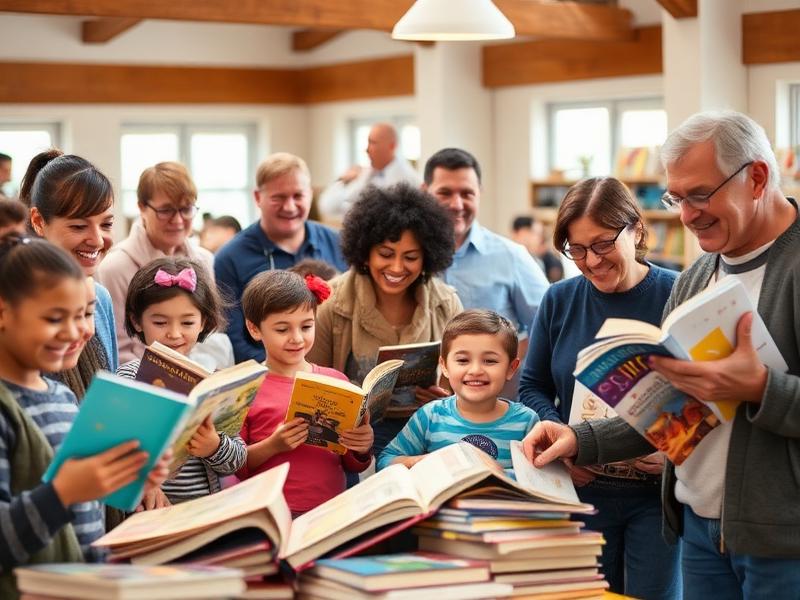
What Types of Books Denver Schools Accept as Donations
Not every book on your shelf will make the cut. Denver schools have real needs, and knowing what they accept helps your donation land where it does the most good. Before you box up your collection, take a few minutes to match your books to what local classrooms actually use. Our team has coordinated hundreds of school donations across Denver and can help you sort through any questions before pickup day.
Most Denver public and charter schools welcome books across a wide range of categories. Condition, age-appropriateness, and relevance to current curriculum are what matter most. A book that works for a third grader in Capitol Hill may not work for a high schooler in Green Valley Ranch — and that difference matters to teachers.
Books That Schools Typically Accept
Picture books and early readers are always in demand. Schools serving kindergarten through second grade go through these fast. Look for titles with clear text, sturdy pages, and themes that connect to everyday life. Board books in good shape are welcome at schools with early childhood programs.
Chapter books for middle-grade readers — roughly ages 8 to 12 — fill classroom libraries quickly. Series books are especially popular. Teachers in Denver use independent reading time to build fluency, so having multiple copies of engaging titles helps a lot.
Nonfiction tied to science, history, and social studies is often harder for schools to get through standard budgets. Books about animals, space, U.S. history, or world cultures make strong donations. Schools following Colorado Academic Standards look for nonfiction that supports research skills and content-area reading.
Young adult titles work well for middle and high school libraries. Schools in neighborhoods like Montbello and Westwood often have limited library budgets, so donated YA fiction and nonfiction fills real gaps. Look for books published within the last 10 to 15 years when possible.
What Schools Usually Cannot Accept
Condition matters more than most donors expect. Torn covers, missing pages, heavy highlighting, water damage — schools can't use any of it. A book that looks rough sends the wrong message to a student. If you wouldn't hand it to a child, the school likely can't use it either. If you're unsure whether your books meet the bar, we're happy to take a look before anything gets loaded up — no donation is too small or too mixed to ask about.
Outdated reference books are rarely useful. Encyclopedias from the 1980s or 1990s, old almanacs, superseded textbooks — the information in those books may simply be inaccurate by today's standards. Denver school librarians and teachers are focused on current, accurate content that supports learning, not shelf filler.
Books with strong adult content, graphic violence, or explicit language aren't appropriate for school settings. This applies even if the book is well-known or award-winning. Schools make their own decisions about age-appropriate material, and donations that fall outside those standards won't be used.
Religious texts and heavily ideological books are typically declined as well. Public schools in Denver operate under guidelines that keep classroom libraries neutral and inclusive for all students.
Special Categories Worth Noting
Bilingual books — especially Spanish and English editions — are in high demand across many Denver schools. The district serves a large Spanish-speaking population, and dual-language titles support both native speakers and English learners. If you have bilingual children's books in good condition, those are among the most valuable donations you can make.
Books featuring diverse characters and authors are actively sought by school librarians. Research from the Cooperative Children's Book Center shows that representation in books improves engagement and reading motivation for students who see themselves in stories. Denver schools are actively building more inclusive libraries.
Audiobooks and read-along sets can also be accepted by some schools, particularly those with special education programs or students who benefit from audio support. Check with the specific school before donating these formats.
When in doubt, call the school's front office or library directly. A two-minute conversation saves you time and gets the right books to the right students faster. Denver teachers and librarians appreciate donors who take that extra step.
How to Prepare Your Book Donation for Pickup in Denver Colorado
A little prep work goes a long way. Getting your books ready before pickup day saves time for everyone and means your donation moves faster from your home to a Denver school's library or classroom shelf.
Start by sorting through your books honestly. Pull out anything with torn pages, water damage, heavy mold, or missing covers. Schools in Denver Colorado can't use books that are falling apart. Kids deserve materials they can actually read and enjoy.
Once you've set aside the good books, do a quick condition check on each one:
- Pages intact — no major rips or missing sections
- Cover still attached and readable
- No strong odors from smoke or mildew
- No heavy writing or markings throughout the text
- Binding holds together when you open it flat
A little highlighting or a name written inside the front cover is totally fine. Schools expect that. What they can't use is a book where half the pages are scribbled over or the spine has completely split.
Think about the age range of the students who'll receive your books. Elementary schools in neighborhoods like Stapleton and Montbello often need picture books, early readers, and chapter books for grades 1 through 5. Middle and high schools want longer novels, nonfiction titles, and reference books. If you know which school or grade level your donation is going to, sort your books by reading level before pickup. This small step helps teachers and librarians get books into the right hands faster.
Pack your books in sturdy boxes or reusable bags. Cardboard boxes from a grocery store work well. Keep each box under 30 pounds — easy to lift, easy to carry. Overpacking a box risks damaging the books at the bottom and makes the pickup harder on the driver. Label each box clearly with something simple like "Children's Picture Books" or "Middle Grade Fiction." That label helps the receiving team at the school sort donations without opening every box.
If you have a large collection — say, 10 or more boxes — let us know when you schedule your pickup in Denver Colorado. We can plan the right vehicle and enough time to load everything properly. Large donations from home cleanouts, retired teachers, or families moving out of the Capitol Hill or Wash Park area happen often. We handle them regularly and know how to make the process smooth.
Remove any personal items tucked inside the books. Bookmarks, notes, photos, old receipts — they turn up between pages more often than you'd think. Do a quick flip through each book before you pack it. You don't want to lose something personal, and the school doesn't need to sort through your belongings.
Keep your books stored in a dry space before pickup day. Denver's weather swings fast. A damp garage or a wet porch can damage a stack of books overnight. Store boxes indoors or in a covered area. If you're donating during spring or summer, watch out for afternoon thunderstorms that can soak boxes left outside.
Finally, have your boxes or bags gathered in one accessible spot — near a front door, in a garage, or at ground level if possible. This keeps the pickup quick and easy. You don't need to be home for the pickup in many cases, but if you are, a two- to five-minute window is usually all it takes to load everything up.
A well-prepared donation gets into a Denver student's hands faster. That's the whole point.
Your books are boxed, labeled, and ready. The next step takes two minutes. Call us at [PHONE NUMBER] to schedule your book donation pickup anywhere in Denver Colorado, and we'll confirm a same-week time that works for you. We handle the transport directly to the schools that need them most — a service we've been providing to Denver donors for years, with thousands of pickups completed across the metro area. You don't have to follow up, track it down, or wonder where your donation went. One call, one pickup, one classroom that's better stocked because you made it happen.

How Donate Books to Schools Works in Denver
Schedule Online
Book your free donate books to schools in Denver in just 2 minutes.
Set Your Location
Tell us where to pick up - we come to your door.
We Pick Up
Our local Pick-Up Partner arrives on your scheduled date.
Books Get New Life
Your donations support readers and literacy programs.
Why Choose GMBN for Donate Books to Schools
100% Free Service
No fees, no hidden costs - just free pickup.
Door-to-Door Convenience
We come to you. No trips to donation centers.
Flexible Scheduling
Pick a date that works for your schedule.
Eco-Friendly
Keep books out of landfills and in circulation.
Support Literacy
Your books help readers across the community.
All Media Accepted
Books, textbooks, CDs, DVDs, and more.
Frequently Asked Questions
Schedule Your Donate Books to Schools in Denver
Ready to give your books a second life? Schedule your free pickup today.
Not sure whether a pickup or a drop-off makes more sense for what you have? Our where to donate books guide walks through the decision honestly, including the cases where another organisation is the better fit.