Textbook Donations in Seattle, WA
Every semester ends the same way. Stacks of textbooks pile up in closets, garages, and spare rooms across Seattle. Biology, calculus, intro to psychology. They just sit there. And most people don't know what to do with them besides tossing them in a recycling bin or letting them collect dust for another year.
Why Textbook Donations in Seattle Matter Right Now
Every semester ends the same way. Stacks of textbooks pile up in closets, garages, and spare rooms across Seattle. Biology, calculus, intro to psychology. They just sit there. And most people don't know what to do with them besides tossing them in a recycling bin or letting them collect dust for another year.
That's a real problem. Textbooks still hold value long after you've finished a course. Many of those titles can be redistributed to readers, schools, libraries, nonprofits, and organizations that actually need them. Organizations can even request books through the Give ME Books program, which connects donated materials with groups looking for specific subjects. So that stack you've been ignoring? It could end up doing real good for someone.
We see this every single week. Someone in Ballard or the University District finally decides to clear out a shelf, and they're surprised at how simple the whole process is. No hauling boxes to a drop-off location. No sorting by subject or condition. You schedule a free pickup, set your items outside, and a local Pick-Up Partner handles the rest. The partner sorts everything after collection, so you don't have to spend your Saturday organizing spines by ISBN.
Here's what makes this moment different in Seattle. The city's student population cycles through enormous volumes of course materials every quarter. According to the National Association of College Stores, the average student spends hundreds of dollars on textbooks each year. That's a lot of material flowing through apartments and dorms. And when those books don't find a second life, they end up in landfills.
But they don't have to. Many collected items are redistributed to readers, schools, libraries, nonprofits, and organizations requesting books. Some may be resold by the Pick-Up Partner to support their business and help sustain the free pickup service. Items that truly can't be reused may eventually be recycled, but that's always a last resort. The goal is keeping books in circulation as long as possible.
You've probably thought about donating before and just didn't get around to it. That's normal. The good news is it takes about two minutes to schedule, and you don't even need to be home for the pickup.
What Textbooks Give My Books Network Seattle Accepts
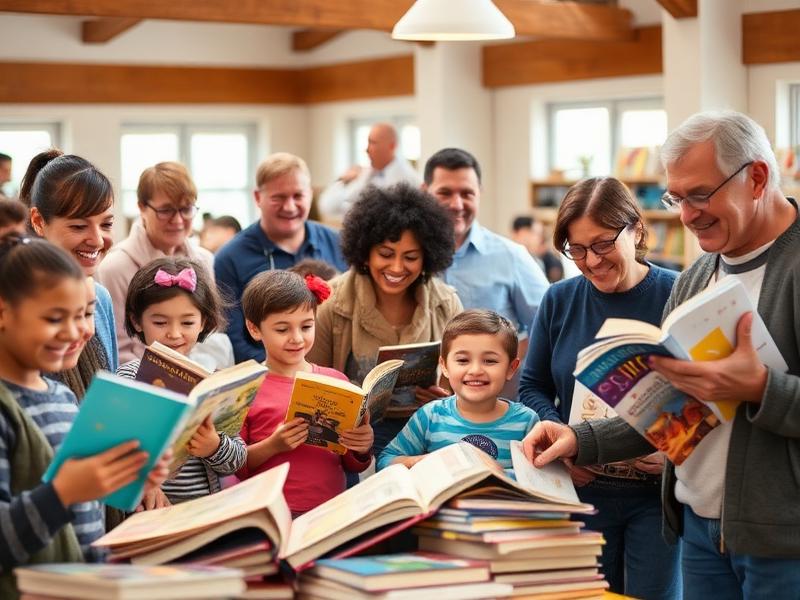
Here's the short answer. If it's a textbook, we probably want it. Intro to Biology from ten years ago? Yep. That massive calculus book collecting dust since you graduated from a program near the University District? Bring it on. We see everything from nursing manuals to art history readers, and they all have a second life waiting.
You don't need to worry about editions being current. Older textbooks still hold value for plenty of readers and organizations. A fifth edition chemistry book works just fine for someone brushing up on fundamentals or studying for a certification. And those spiral-bound course readers from community college classes? Those count too.
We accept hardcover and softcover textbooks across every subject. Math, science, literature, business, engineering, foreign language, philosophy. If it was assigned in a classroom, it's welcome. Lab manuals, workbooks, and study guides all fit. So do test prep books like GRE, LSAT, or MCAT study materials. We get asked about those a lot in Seattle, and the answer's always yes.
Nine times out of ten, the textbooks people set out are in perfectly fine shape. Some highlighting, some notes in the margins. That's not a problem. Normal wear from actual studying doesn't disqualify a book. If pages are intact and the spine holds together, it's good to go.
What about textbooks with water damage or missing covers? Those are tougher. Items that can't be reused may eventually be recycled, but our goal is always to extend the life of books and keep them circulating. So even if you're unsure, include them. Our Local Pick-Up Partners handle all the sorting after collection. You don't need to separate textbooks from other books or media either. Just pack everything into boxes or bags that aren't too heavy, and you're done.
Got a mix of textbooks and regular novels from clearing out a Ballard apartment? Put them all together. There's no need to organize by type, subject, or condition before your pickup day. That's our job, not yours.
How the Textbook Donation Process Works in Seattle
People ask us this all the time. "What do I actually have to do?" Not much. That's the whole point.
Here's how it goes. You schedule a free pickup through Give My Books Network. Pick a day that works for you. If a Local Pick-Up Partner already serves your ZIP code, you'll see them pop up right away and can book immediately. No waiting around. If no partner currently covers your area, your request still goes through. It enters the out-of-area pickup system, and a nearby partner may claim it.
On your scheduled day, just set your textbooks outside starting at 8 AM. A porch works great. So does a garage or any safe, dry spot that's easy to reach. The pickup window runs from 8 AM to 8 PM, so you don't need to hover by the door. You don't even need to be home. We see this every single week. Folks in Ballard or Capitol Hill leave boxes on their front steps before heading to work, and everything's handled by the time they get back.
No sorting required. Seriously. You don't need to separate biology from history or pull out the worn ones. Just pack your textbooks into boxes or bags that aren't too heavy. That's it. Your Local Pick-Up Partner handles all the sorting after collection.
So what happens next? Partners go through everything they pick up. Many textbooks get redistributed to readers, schools, libraries, nonprofits, and organizations requesting books. Some items may be resold to support the partner's business and help sustain the free pickup service for everyone in Seattle. Organizations can also request books directly through the Give ME Books program. Items that truly can't be reused may eventually be recycled, but that's always a last resort.
The goal is simple. Keep textbooks in circulation as long as possible. You clear space in your home, and those books get another chance to be useful. Got a stack collecting dust right now? Schedule a pickup and let someone else turn those pages.
Preparing Your Books for a Smooth Seattle Pickup
Here's the good news. You don't need to sort anything. No separating by subject, size, or condition. We see people spend hours organizing textbooks into neat little categories before a pickup, and it's not necessary. Our Local Pick-Up Partners handle all the sorting after they collect your items.
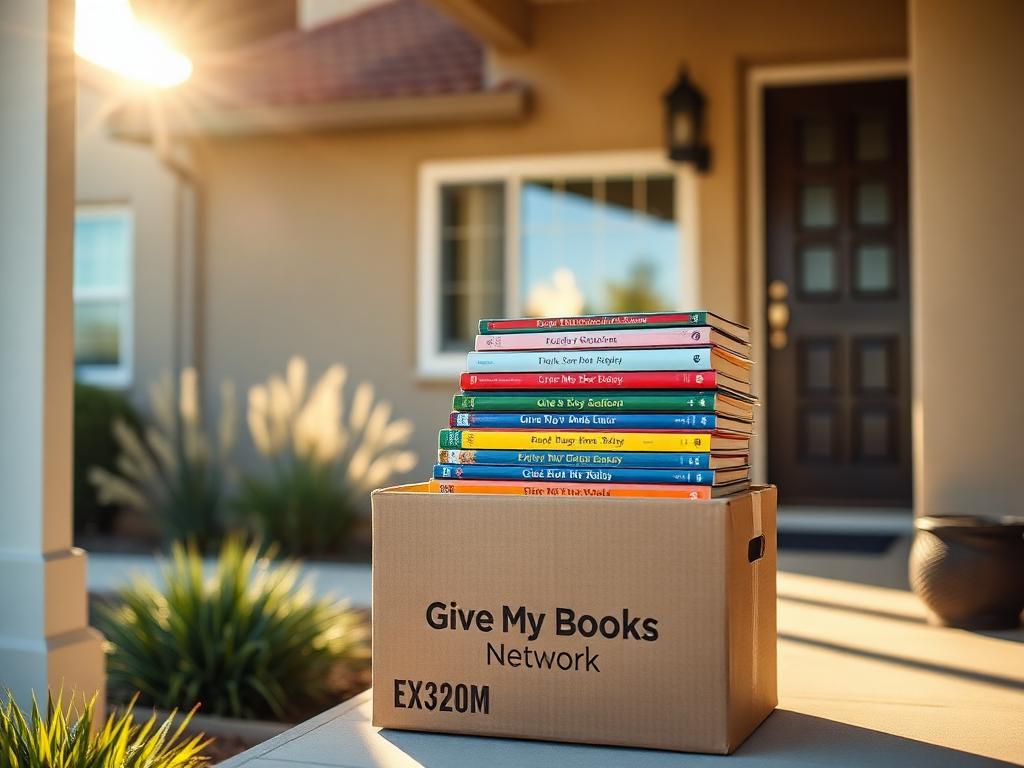
So what do you actually need to do? Pack your textbooks into boxes or sturdy bags. That's it. Keep them well packed so nothing spills, and make sure no single box is too heavy to carry. A good rule of thumb: if you can't lift it comfortably, split it into two boxes. We pick up a lot of textbooks around the University District, and the most common issue we run into is overstuffed boxes with torn-out bottoms. Grocery bags work fine for smaller batches. Bankers boxes are great for bigger loads.
On your scheduled pickup day, place everything outside starting at 8 AM. A porch, front steps, or garage entrance all work perfectly. The pickup window runs from 8 AM to 8 PM, so your items just need to be in a safe, dry spot where a partner can easily access them. Seattle weather being what it is, a covered area helps. If rain's in the forecast, a simple tarp or plastic bag over the top goes a long way.
Nobody needs to be home. Seriously. You don't need to wait around, leave a note, or call anyone. Just set the books out and go about your day. Unless there's something unusual about the pickup location, there's no reason to coordinate beyond scheduling.
Nine times out of ten, the whole prep process takes people about fifteen minutes. Grab the textbooks off the shelf, box them up, set them outside. Done. If you've got textbooks stacked in a closet in Ballard or piled in a spare room, the hardest part is deciding to finally clear them out. The actual preparation couldn't be simpler.
Got questions about where to leave your items? Give us a call and we'll figure it out together.
Where Donated Textbooks Go After Leaving Seattle
This is the question we hear most. "What actually happens to my books?" Fair enough. You're handing over textbooks you paid good money for. You deserve to know.
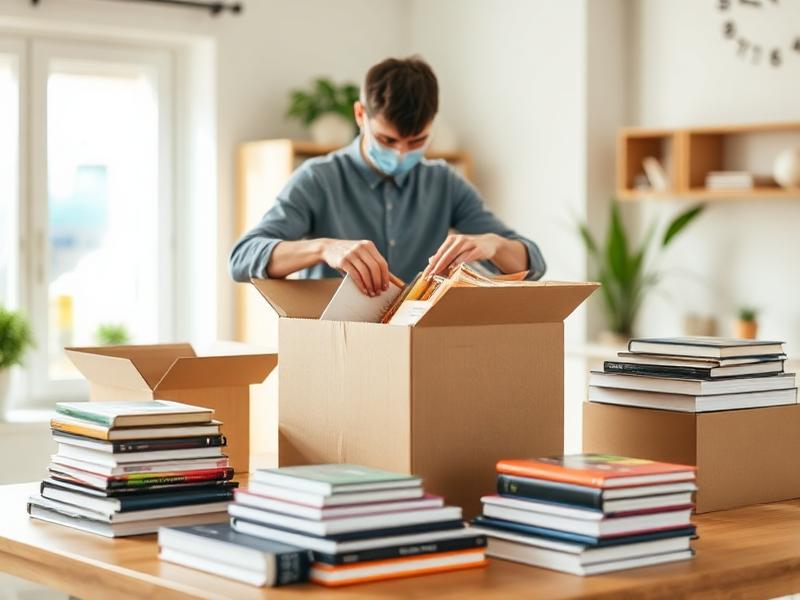
Once a Local Pick-Up Partner collects your textbooks, they handle all the sorting. That's their job, not yours. After sorting, your books can go in several directions. Many items are redistributed to readers, schools, libraries, nonprofits, and organizations requesting books. Some may be resold by the partner to support their business and help sustain the free pickup service you just used. And organizations across the country can request books through the Give ME Books program, which puts materials directly into the hands of groups that need them. If you want to learn more about how book donation programs connect materials with libraries and nonprofits nationwide, the Book Donation Programs guide from ALA LibGuides is a helpful resource for understanding how these networks operate.
So your old biology textbook from a University District apartment? It might end up on a classroom shelf somewhere. That stack of nursing manuals from your Capitol Hill place? Could reach a nonprofit running a training program. The goal is always to extend the life of books and keep them in circulation whenever possible.
Not every textbook follows the same path. Some are better candidates for redistribution than others. A current edition calculus book has a different future than a water-damaged workbook from 2004. We see this every single week. Partners put real effort into finding the best outcome for each item. But some books can't be reused no matter what. Items that can't find a second life may eventually be recycled as a last resort.
Here's what matters. Your textbooks don't sit in a landfill because you couldn't figure out what to do with them. They enter a system built around reuse first, redistribution second, and recycling only when nothing else works. That priority order is baked into how the whole network operates in Seattle and everywhere else.
You don't need to decide where your books should go. You don't need to call five different places. You just schedule, set them out, and let the system do what it does.
How Textbook Donations Works in Seattle
Schedule Online
Book your free textbook donations in Seattle in just 2 minutes.
Set Your Location
Tell us where to pick up - we come to your door.
We Pick Up
Our local Pick-Up Partner arrives on your scheduled date.
Books Get New Life
Your donations support readers and literacy programs.
Why Choose GMBN for Textbook Donations
100% Free Service
No fees, no hidden costs - just free pickup.
Door-to-Door Convenience
We come to you. No trips to donation centers.
Flexible Scheduling
Pick a date that works for your schedule.
Eco-Friendly
Keep books out of landfills and in circulation.
Support Literacy
Your books help readers across the community.
All Media Accepted
Books, textbooks, CDs, DVDs, and more.
Frequently Asked Questions
Schedule Your Textbook Donations in Seattle
Ready to give your books a second life? Schedule your free pickup today.
Weighing up your options in Seattle, WA? Our guide to where to donate books compares doorstep pickup with libraries, thrift stores and every other realistic destination.